Beschrijving
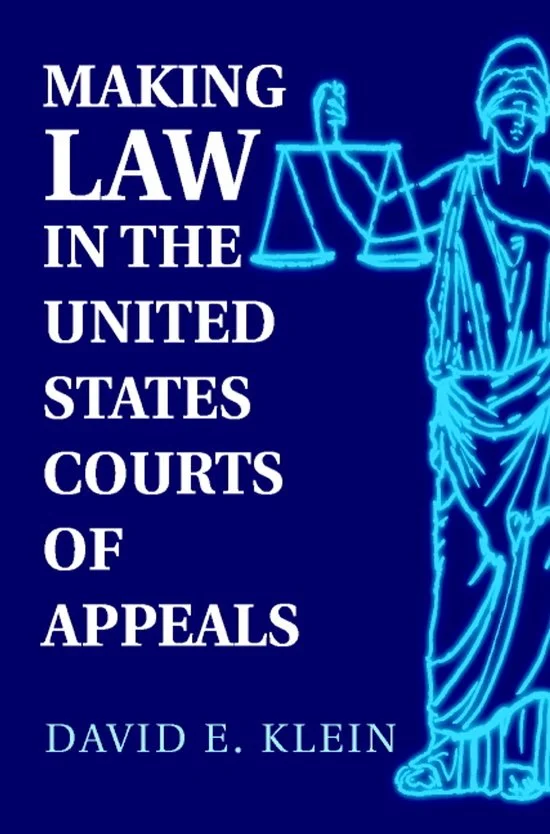
This book asks how federal court judges decide cases when faced with unsettled law issues. Are their decisions influenced by higher court judges or other judges at their same level? Statistical analyses and interviews with judges determine that judges give attention to colleagues, but demonstrate independence from the Supreme Court.
The book, first published in 2002, examines circuit court decision making on issues not clearly covered by existing precedents. Its central questions are to what extent circuit judges’ choices to adopt legal rules are influenced by the actions of other circuit judges and whether judges attempt to decide legal issues as they think the Supreme Court would in their place. Evidence comes from quantitative analyses of several hundred cases and from interviews with two dozen circuit court judges. The evidence indicates that judges give attention to the work of colleagues on their own court and other circuits and that the actions, prestige, and expertise of these colleagues are important. On the other hand, while Supreme Court precedents factor heavily in the circuit judges’ decisions, expectations as to how the Supreme Court might decide appear to have little effect on their actions. These findings suggest that legal and policy goals influence judges’ decision-making.